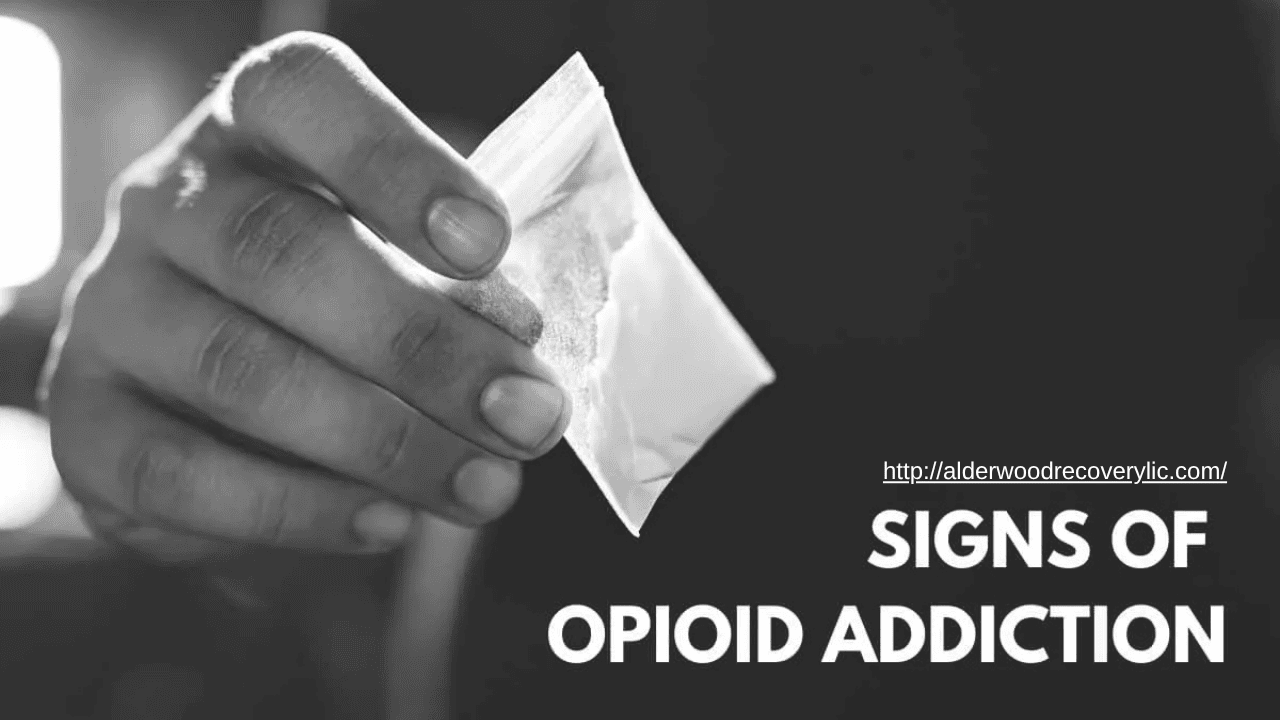
 Opiate addiction is more than a physical dependency—it is a complex cycle of emotional, psychological, and behavioral challenges. While detox helps individuals overcome physical withdrawal, breaking the cycle of addiction requires sustained, long-term support. At Alderwood Recovery, therapy is central to recovery, offering tools, guidance, and strategies that help individuals address the root causes of addiction, develop healthier coping mechanisms, and maintain lasting sobriety.
Why Long-Term Therapy Is Critical
Detox addresses the immediate physical effects of opiate use, but it does not teach individuals how to manage cravings, cope with stress, or repair emotional wounds. Without ongoing therapy, individuals are at high risk for relapse. Long-term therapy provides a structured environment where clients can explore the underlying issues that led to addiction, from trauma and mental health disorders to behavioral patterns that reinforce substance use.
Healing the Mind and Emotions
Cognitive Behavioral Therapy (CBT) for Recovery
Cognitive Behavioral Therapy helps individuals identify negative thought patterns and behaviors that contribute to addiction. By recognizing triggers and learning to challenge harmful thinking, clients can replace destructive habits with positive coping strategies. CBT strengthens emotional resilience, enabling individuals to navigate stressful situations without returning to substance use.
Addressing Trauma and Co-Occurring Disorders
Many individuals struggling with opiate addiction also experience trauma or mental health conditions such as anxiety or depression. Trauma-informed therapy and integrated mental health treatment help clients process past experiences and address co-occurring disorders, ensuring that recovery is comprehensive and sustainable.
Building Skills for Lasting Sobriety
Developing Coping Strategies
Long-term therapy equips individuals with practical tools to handle cravings, stress, and life challenges. Techniques such as mindfulness, emotional regulation exercises, and relapse prevention planning empower clients to respond effectively to triggers, reducing the risk of returning to opiate use.
Strengthening Relationships and Social Support
Recovery is not a solitary journey. Group therapy and peer support create a sense of community, providing encouragement, accountability, and shared experiences. Family therapy helps repair relationships and establishes a supportive home environment that reinforces long-term sobriety.
Holistic and Faith-Based Approaches
At Alderwood Recovery, therapy extends beyond traditional methods. Holistic practices like yoga, meditation, and art therapy, combined with faith-based counseling, address the mind, body, and spirit. These approaches promote inner peace, self-awareness, and emotional balance, helping individuals reconnect with their values and purpose in life. By integrating these therapies into long-term care, clients gain a stronger foundation for sustained recovery.
Transitioning from Treatment to Independent Living
Long-term therapy prepares clients for life beyond the treatment center. Through ongoing counseling and support, individuals learn to apply the skills they have developed in real-world situations. Outpatient programs and aftercare plans help maintain accountability, prevent relapse, and ensure that recovery continues to thrive long after formal treatment ends.
Breaking the Cycle for a Brighter Future
Opiate addiction is a cycle that can be difficult to overcome without the right support. Long-term therapy addresses the emotional, psychological, and behavioral aspects of addiction, providing the tools needed to break free and sustain sobriety. At Alderwood Recovery, compassionate professionals guide each client through personalized, holistic, and faith-based care, helping them achieve lasting recovery and a renewed sense of purpose.
If you or a loved one is struggling with opiate addiction, reach out to Alderwood Recovery today. Long-term therapy can help break the cycle and create a future filled with health, stability, and hope.