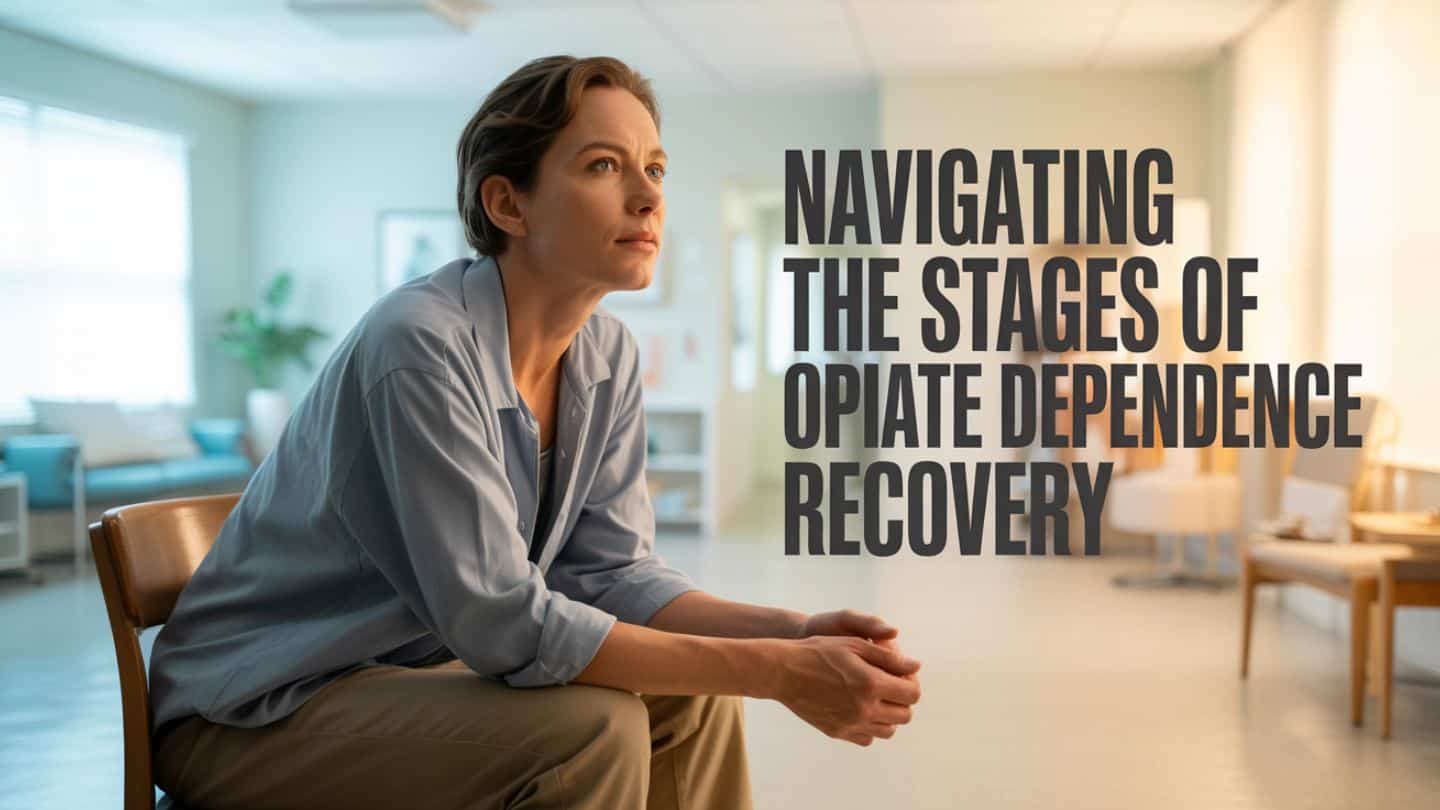
 Opiate addiction recovery is not a single moment or a straight path. It is a series of stages that require different types of support, guidance, and therapeutic care. From the first step of recognizing a problem to maintaining long-term sobriety, therapy plays a central role in healing. At Alderwood Recovery LLC, we understand that each stage of recovery requires a different clinical and emotional approach, which is why therapy remains the foundation of effective, lasting change.
Understanding the Stages of Opiate Addiction Recovery
Recovery from opiate addiction typically unfolds in stages. While each person’s journey is unique, most individuals move through phases that include recognition, stabilization, early recovery, and long-term maintenance.
Each stage comes with its own challenges. Early recovery may involve withdrawal symptoms and emotional instability, while later stages often focus on relapse prevention and rebuilding life structure. Therapy provides consistent support through all of these phases, helping individuals stay grounded and focused on progress.
Why Therapy Is Essential at Every Stage
Therapy is not just a part of recovery. It is the framework that supports it. Opiate addiction affects both brain chemistry and emotional regulation, which means individuals often need help rebuilding thought patterns, coping skills, and behavioral responses.
At Alderwood Recovery LLC, therapy is tailored to meet individuals where they are in their recovery journey. This ensures that care evolves alongside progress, rather than remaining static.
Early Recovery: Building Stability and Safety
The early stage of recovery is often the most physically and emotionally challenging. Individuals may experience withdrawal symptoms, cravings, anxiety, and uncertainty about the future.
Clinical Support and Emotional Stabilization
During this stage, therapy focuses on stabilization. This includes helping individuals understand what to expect during withdrawal and early recovery, while also providing emotional support to manage fear, stress, and discomfort.
Therapists often help individuals:
- Develop immediate coping strategies for cravings
- Understand the recovery process and set realistic expectations
- Build a sense of safety and structure
- Begin identifying triggers and emotional patterns
This foundation is critical for long-term success.
Early to Middle Recovery: Understanding and Change
As physical symptoms begin to improve, therapy shifts toward deeper emotional and behavioral work. This stage is where individuals begin to explore the underlying causes of addiction.
Cognitive Behavioral Therapy and Thought Patterns
Cognitive Behavioral Therapy is often introduced or expanded during this phase. It helps individuals identify how thoughts influence emotions and behaviors, especially in relation to substance use.
Through this process, individuals learn how to:
- Recognize negative or automatic thinking patterns
- Challenge beliefs that contribute to substance use
- Develop healthier responses to stress
- Strengthen emotional awareness and control
This stage is where meaningful change begins to take shape.
Individual Counseling for Deeper Healing
Individual therapy becomes especially important during this phase. It provides a safe space to process trauma, grief, anxiety, and other underlying issues that may have contributed to addiction.
Many individuals begin to rebuild their identity and self-esteem during this stage, which is a key part of sustained recovery.
Middle to Long-Term Recovery: Strengthening Skills and Confidence
As recovery progresses, therapy focuses more on strengthening coping skills and preparing individuals for independent living without substance use.
Relapse Prevention and Life Skills
Therapists help individuals develop practical strategies to manage real-world challenges. This includes recognizing high-risk situations and building routines that support sobriety.
Key areas of focus include:
- Stress management techniques
- Communication and relationship rebuilding
- Healthy boundary setting
- Daily structure and accountability
These tools help individuals build confidence in their ability to maintain recovery.
Long-Term Recovery: Maintaining Stability and Growth
In long-term recovery, therapy continues to play a supportive role. Even after significant progress, ongoing care helps individuals stay grounded and prevent relapse.
Ongoing Support and Maintenance
Therapy during this stage may focus on life transitions, emotional balance, and continued personal growth. Many individuals also benefit from periodic counseling check-ins to reinforce coping strategies and maintain accountability.
Inpatient and Outpatient Care Throughout Recovery
Different stages of recovery may require different levels of care. Alderwood Recovery LLC offers both inpatient and outpatient treatment options to support individuals at every phase.
Inpatient Care for Early Structure
Inpatient treatment provides a structured and supportive environment where individuals can focus fully on recovery during early stages.
Outpatient Care for Continued Progress
Outpatient programs allow individuals to continue therapy while returning to work, school, or family responsibilities. This flexibility supports long-term recovery in real-world settings.
Holistic and Mental Health Support in Every Stage
Therapy is most effective when it is supported by holistic and mental health care. Many individuals recovering from opiates also experience anxiety, depression, or trauma-related symptoms.
At Alderwood Recovery LLC, treatment integrates mental health support alongside addiction therapy. Holistic approaches such as mindfulness, wellness practices, and lifestyle support also help strengthen overall wellbeing.
Healing That Evolves With You
One of the most important aspects of therapy in opiate recovery is that it evolves. What someone needs in early recovery is very different from what they need in long-term maintenance. Therapy provides continuity, guidance, and support at every stage of this journey.
Taking the Next Step Toward Healing
Recovery is not a single moment. It is a process that unfolds over time, and therapy is what helps make that process possible. With consistent support and personalized care, individuals can move from crisis to stability and from survival to growth.
At Alderwood Recovery LLC, we are committed to supporting every stage of opiate addiction recovery and healing with compassion, structure, and evidence-based care. If you or someone you love is struggling with opiate addiction, reaching out for help is the first step toward lasting recovery. Support is available, and healing can begin today.