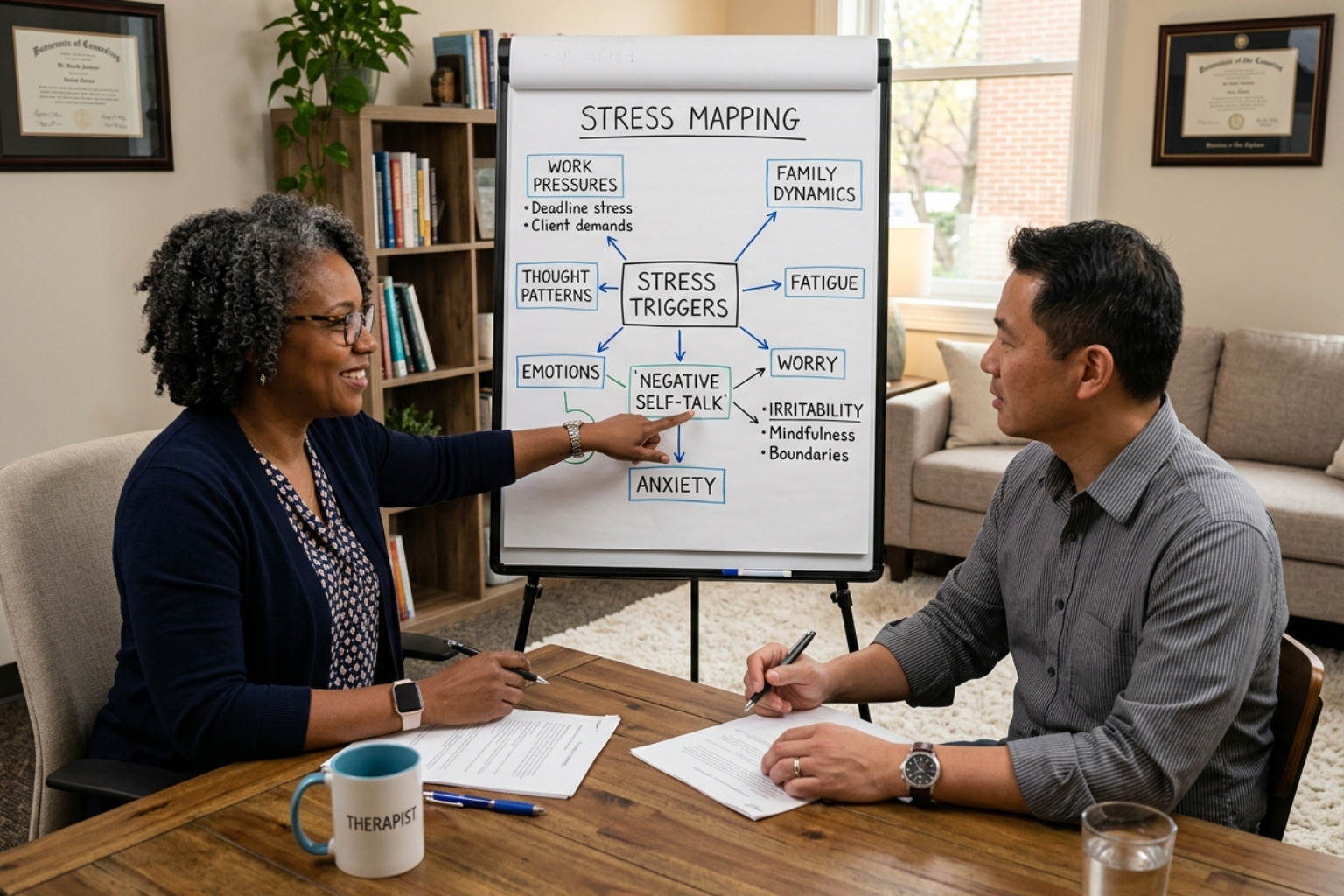
Stress is a common part of life, but during opiate recovery, it can become more than an everyday challenge. Financial pressure, relationship problems, work demands, family responsibilities, and unresolved emotional pain can create intense feelings that make returning to substance use seem like an easy way to find relief. However, stress does not have to determine the course of recovery. With the right therapy skills, practical coping strategies, and consistent support, people can learn to manage difficult emotions without turning to opioids. Understanding the connection between stress and relapse is an important step toward building a healthier, more stable life.
Understanding the Connection Between Stress and Opiate Relapse
Opiate addiction affects the brain’s reward, motivation, and stress-response systems. Over time, opioid use can become closely connected to how a person responds to discomfort, anxiety, and emotional pressure. As a result, stressful situations may trigger cravings even after someone has made meaningful progress in treatment.
Stress can also affect sleep, concentration, decision-making, and emotional regulation. When several problems occur at once, it may become harder to remember recovery goals or use healthy coping strategies.
Common stress-related relapse triggers include:
- Conflict with family members, partners, or friends
- Financial difficulties or uncertainty about employment
- Loneliness, grief, or unresolved trauma
- Physical discomfort or ongoing health concerns
- Exposure to people, places, or situations associated with past opioid use
- Feeling overwhelmed by responsibilities or expectations
- Poor sleep and a lack of daily structure
Recognizing these triggers does not mean a person is destined to relapse. Instead, it creates an opportunity to prepare for challenging situations before they become overwhelming.
How Therapy Helps Manage Stress During Opiate Recovery
Therapy gives people a structured place to understand their emotional responses, identify harmful patterns, and develop healthier ways to handle pressure. Rather than focusing only on avoiding substance use, effective recovery therapy helps address the thoughts, feelings, and circumstances that can increase relapse risk.
Cognitive Behavioral Therapy Builds Healthier Thought Patterns
Cognitive behavioral therapy (CBT) helps individuals recognize connections between thoughts, emotions, and behaviors. For example, someone experiencing financial pressure might think, “Nothing is going to get better.” That thought can increase anxiety, frustration, and hopelessness, potentially making cravings more difficult to manage.
A therapist can help the individual examine whether the thought is accurate, identify alternative perspectives, and choose a constructive response.
CBT can help people:
- Recognize negative thinking patterns.
- Challenge all-or-nothing beliefs.
- Develop realistic solutions to everyday problems.
- Respond to cravings without acting on them.
- Build confidence in their ability to handle setbacks.
These skills become especially valuable when stress appears unexpectedly.
Mindfulness Helps Create Space Between Cravings and Actions
Mindfulness teaches people to pay attention to the present moment without immediately reacting to uncomfortable thoughts or feelings. During opiate recovery, this can help individuals recognize stress and cravings before they become difficult to manage.
For example, a person might notice a racing heartbeat, tense muscles, or repeated thoughts about using. Instead of reacting automatically, they can pause, breathe slowly, and observe what is happening.
Simple mindfulness practices include:
- Taking several slow, controlled breaths.
- Noticing physical tension and consciously relaxing those muscles.
- Spending a few minutes focusing on the sounds and sensations around you.
- Writing down emotions without judging yourself.
- Taking a quiet walk and paying attention to each step.
Mindfulness is a coping tool, not a replacement for professional treatment. When practiced consistently, however, it can help people respond to stress with greater awareness.
Dialectical Behavior Therapy Strengthens Emotional Regulation
Dialectical behavior therapy (DBT) focuses on managing intense emotions, tolerating distress, and improving relationships. These abilities can be particularly helpful for people whose opioid use has been connected to emotional pain or difficulty handling conflict.
DBT skills may include distress tolerance techniques, emotional awareness, and communication strategies. They help individuals recognize that an uncomfortable feeling can be temporary and does not require an immediate response.
For instance, someone dealing with an argument may feel an urgent need to escape the situation. DBT skills can help that person pause, regulate their emotions, and decide what to do next without turning to substance use.
Practical Stress Management Strategies That Support Recovery
Therapy is most effective when the skills learned during sessions become part of everyday life. Small, consistent habits can reduce stress and make recovery goals easier to maintain.
Create a Daily Routine
A predictable schedule can provide stability during periods of uncertainty. Regular waking times, meals, appointments, exercise, and bedtime routines help create structure. They can also reduce the amount of unplanned time spent feeling isolated or overwhelmed.
A daily routine does not need to be complicated. Start with a few manageable commitments and adjust them as circumstances change.
Protect Sleep and Physical Well-Being
Poor sleep can make emotional regulation more difficult and increase vulnerability to stress. Establishing a regular bedtime, limiting late-night screen use, and creating a comfortable sleeping environment may improve rest.
Physical activity can also support emotional well-being. Walking, stretching, swimming, or other appropriate forms of movement may help reduce tension and improve mood. Individuals should choose activities that fit their health, abilities, and stage of recovery.
Build a Reliable Support Network
Recovery becomes harder when someone feels they must manage every challenge alone. Support from trusted family members, friends, counselors, peer groups, or recovery communities can provide encouragement and accountability.
It is also important to establish healthy boundaries. Some relationships or environments may increase exposure to substance use or emotional conflict. A counselor can help individuals decide which situations require limits and how to communicate those boundaries.
Prepare a Personal Stress Response Plan
A written plan can make it easier to respond when pressure builds. It should identify common triggers, early warning signs, and specific actions to take.
For example, a plan might include calling a trusted support person, attending a recovery meeting, contacting a therapist, taking a walk, or moving away from an environment associated with past opioid use.
Having these steps ready can reduce the need to make difficult decisions while experiencing intense emotions.
Why Mental Health Treatment Matters in Opiate Recovery
Stress and relapse risk may be closely connected to underlying mental health concerns. Anxiety, depression, post-traumatic stress, and other conditions can affect how someone experiences daily challenges. When these concerns remain untreated, they may make recovery more difficult.
A professional assessment can help identify mental health needs and determine which forms of care may be appropriate. Depending on the individual, treatment may include individual counseling, group therapy, psychiatric support, or coordinated care for co-occurring conditions.
Medication treatment can also be an important part of opioid use disorder care. Buprenorphine and methadone are established treatment options, while extended-release naltrexone may be appropriate for some individuals. These medications require assessment and ongoing guidance from qualified healthcare professionals. They can reduce cravings and support recovery, and using them is not a sign of weakness or failure.
Choosing the Right Level of Recovery Support
The right treatment setting depends on a person’s health, substance use history, home environment, and support needs.
Inpatient Treatment
Inpatient or residential care may be appropriate for individuals who need a structured environment and more intensive support. It can provide separation from everyday triggers while allowing time to focus on treatment, emotional health, and recovery skills.
Outpatient Treatment
Outpatient care allows individuals to attend scheduled treatment while continuing to manage work, family, or other responsibilities. It may be suitable for people whose clinical needs and living circumstances support treatment outside a residential setting.
Neither option is automatically right for everyone. A qualified professional can help determine the appropriate level of care. Detoxification and withdrawal management should also be distinguished from ongoing treatment. Stopping opioids is not the same as addressing the emotional, behavioral, and social factors that contribute to addiction.
Recognizing Warning Signs Before a Relapse
Relapse risk can increase gradually. Changes in behavior or emotional health may appear before substance use occurs. Recognizing these signs early gives individuals and their support networks an opportunity to respond.
Warning signs may include:
- Avoiding therapy sessions or recovery meetings
- Withdrawing from supportive relationships
- Experiencing persistent anxiety, anger, or hopelessness
- Returning to places or relationships associated with past substance use
- Thinking more frequently about opioids
- Ignoring healthy routines and personal responsibilities
- Believing that occasional substance use would be harmless
If these signs appear, reaching out for professional support is a constructive step. A return to substance use should not be treated as proof that recovery has failed. It is a serious signal that the treatment plan may need reassessment and additional support.
For anyone who resumes opioid use after a period of abstinence, overdose risk can be especially high because tolerance may have decreased. Naloxone can reverse an opioid overdose when administered promptly, but emergency services should always be contacted when an overdose is suspected.
Building a More Stable Future Through Recovery Therapy
Managing stress is not about eliminating every difficult experience. It is about learning how to respond to challenges without allowing them to control decisions. Therapy can help people recognize triggers, regulate emotions, strengthen relationships, and develop practical strategies for protecting their recovery.
Every person’s experience with opiate addiction is different. Some may benefit from structured residential treatment, while others may need outpatient counseling, medication support, mental health care, or a combination of services. Personal beliefs, family relationships, physical health, and individual goals can also influence the recovery process.
If stress is making it difficult to maintain progress, reaching out for help can be an important next step. You do not have to wait until a crisis occurs to speak with a qualified treatment professional. With appropriate care, consistent support, and skills that can be used in everyday situations, it is possible to manage stress more effectively and build a life that does not depend on opioids.